Running and Gait Analysis
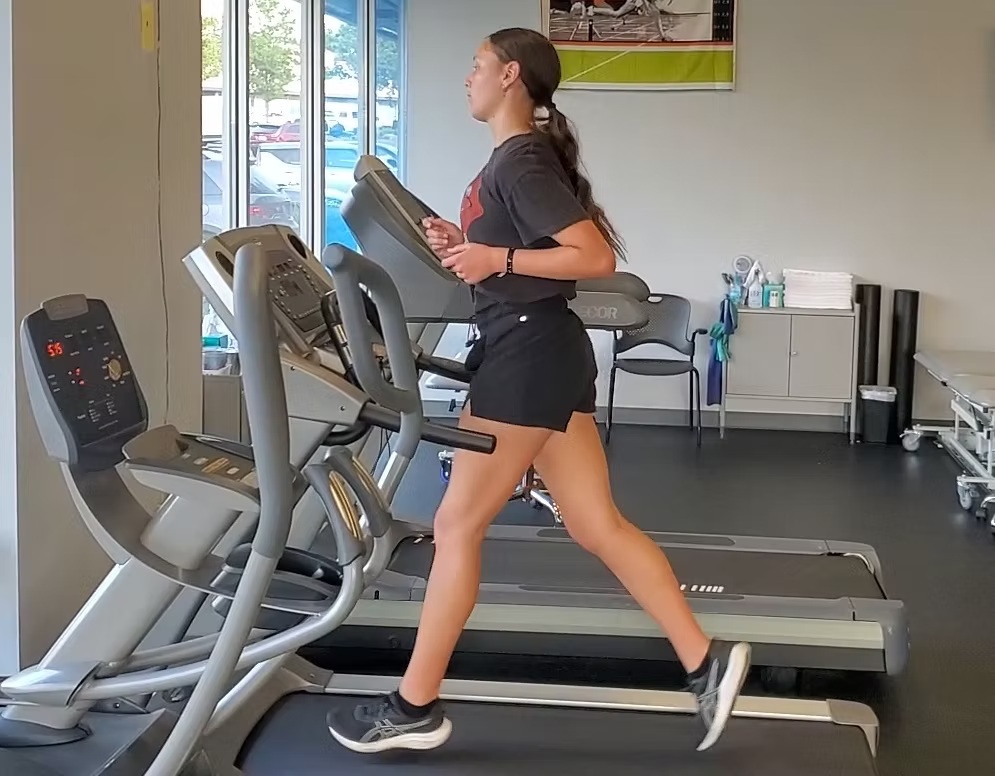
How to Avoid Injury While Running
Running is one of the best ways to improve your health, build endurance, reduce stress, and stay active for life. But whether you are training for your first 5K, preparing for a marathon, or simply trying to stay consistent with your fitness routine, injuries can quickly slow your progress and keep you from doing what you love.
At Strive Running & Recovery, we work with runners of all levels who want to stay healthy, move efficiently, and continue improving without unnecessary setbacks. The good news is that many running injuries are preventable when you combine smart training, proper recovery, and good movement habits.
1. Increase Mileage Gradually
One of the most common causes of running injuries is doing too much too soon. Rapid increases in mileage, intensity, or speed workouts place excessive stress on muscles, tendons, and joints before the body has time to adapt.
A general guideline many coaches and physical therapists recommend is increasing weekly mileage gradually rather than making large jumps all at once. Recovery weeks with reduced mileage can also help your body adapt and reduce overuse injuries.
If you are returning from time off or injury, patience is critical. Consistency over time is far more effective than trying to make fast progress in a single week.
2. Prioritize Strength Training
Many runners focus only on logging miles, but strength training is one of the most effective ways to reduce injury risk and improve performance.
Research and sports medicine experts consistently emphasize the importance of strengthening the hips, glutes, core, hamstrings, and calves to improve stability and reduce stress on the knees, ankles, and lower legs.
Exercises such as:
Squats
Lunges
Glute bridges
Step-ups
Calf raises
Core stability work
can improve running mechanics and help your body handle the repetitive impact of running.
Even two strength sessions per week can make a significant difference.
3. Warm Up Before You Run
Jumping straight into a hard run with tight muscles and stiff joints increases the likelihood of strains and poor movement patterns.
A dynamic warm-up helps activate muscles, improve blood flow, and prepare your body for movement. Simple drills such as leg swings, walking lunges, high knees, butt kicks, and light jogging can help your body move more efficiently before you start running.
Form drills can also improve coordination, posture, and stride mechanics while helping reduce overstriding and excessive impact forces.
4. Pay Attention to Running Form
You do not need “perfect” running form, but inefficient movement patterns can increase stress on your body over time.
Common issues linked to injury include:
Overstriding
Excessive heel striking with a stiff leg
Poor posture
Weak hip stability
Excessive side-to-side movement
Improving cadence, maintaining a relaxed upright posture, and focusing on soft, controlled foot strikes can reduce unnecessary impact on joints and connective tissue.
A running gait analysis from a trained professional can help identify inefficiencies and areas for improvement specific to your body and running style.
5. Wear the Right Running Shoes
Running shoes play an important role in comfort, support, and impact absorption. Shoes that are worn out or not appropriate for your mechanics can contribute to knee pain, shin splints, plantar fasciitis, and other common injuries.
While there is no single “best” running shoe for everyone, properly fitted shoes that feel comfortable and support your natural movement are important. Many runners also benefit from rotating between multiple pairs of shoes to vary stress patterns on the body.
6. Take Recovery Seriously
Recovery is where progress actually happens. Without adequate recovery, the body breaks down faster than it can rebuild.
Some of the most overlooked recovery habits include:
Getting enough sleep
Staying hydrated
Eating enough protein and nutrients
Taking easy days seriously
Managing overall training stress
Overtraining and insufficient recovery can significantly increase injury risk and negatively impact performance.
Rest days are not a sign of weakness — they are part of smart training.
7. Don’t Ignore Small Pains
Many major injuries start as small warning signs. Tightness, soreness, or mild discomfort that continues to worsen should not be ignored.
Early treatment and movement correction can often prevent minor issues from becoming long-term injuries. Physical therapy, mobility work, recovery treatments, and proper training adjustments can help runners stay ahead of problems before they become serious.
Stay Healthy and Keep Running
Running should help you feel stronger, healthier, and more energized — not constantly injured and frustrated. By combining gradual training progressions, strength work, proper recovery, good running mechanics, and professional guidance when needed, you can dramatically reduce your risk of injury and enjoy running for years to come.
At Strive Running & Recovery, we help runners improve movement, recover faster, and stay active through performance-focused physical therapy, recovery services, gait analysis, and personalized treatment plans designed specifically for runners.
